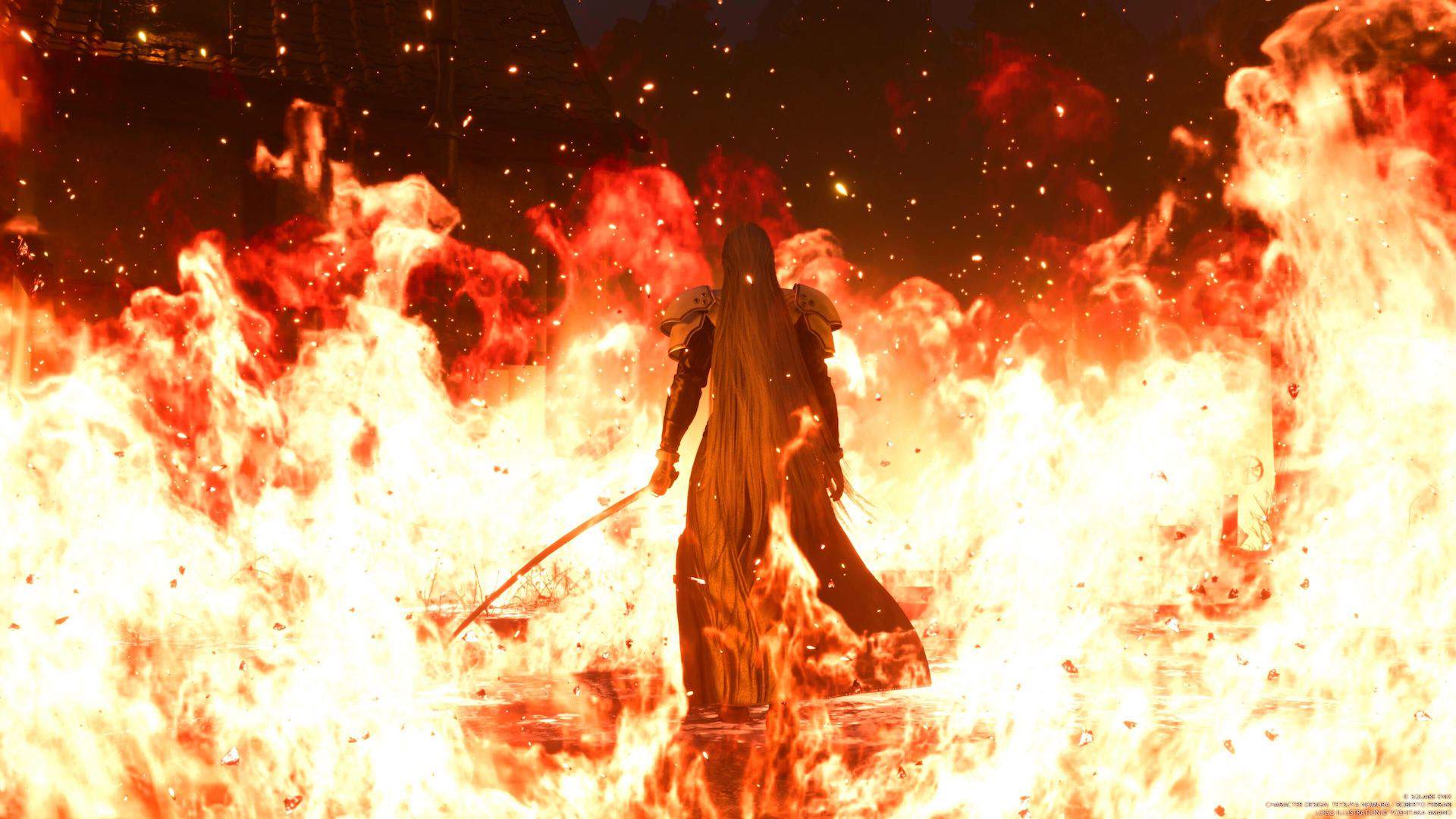
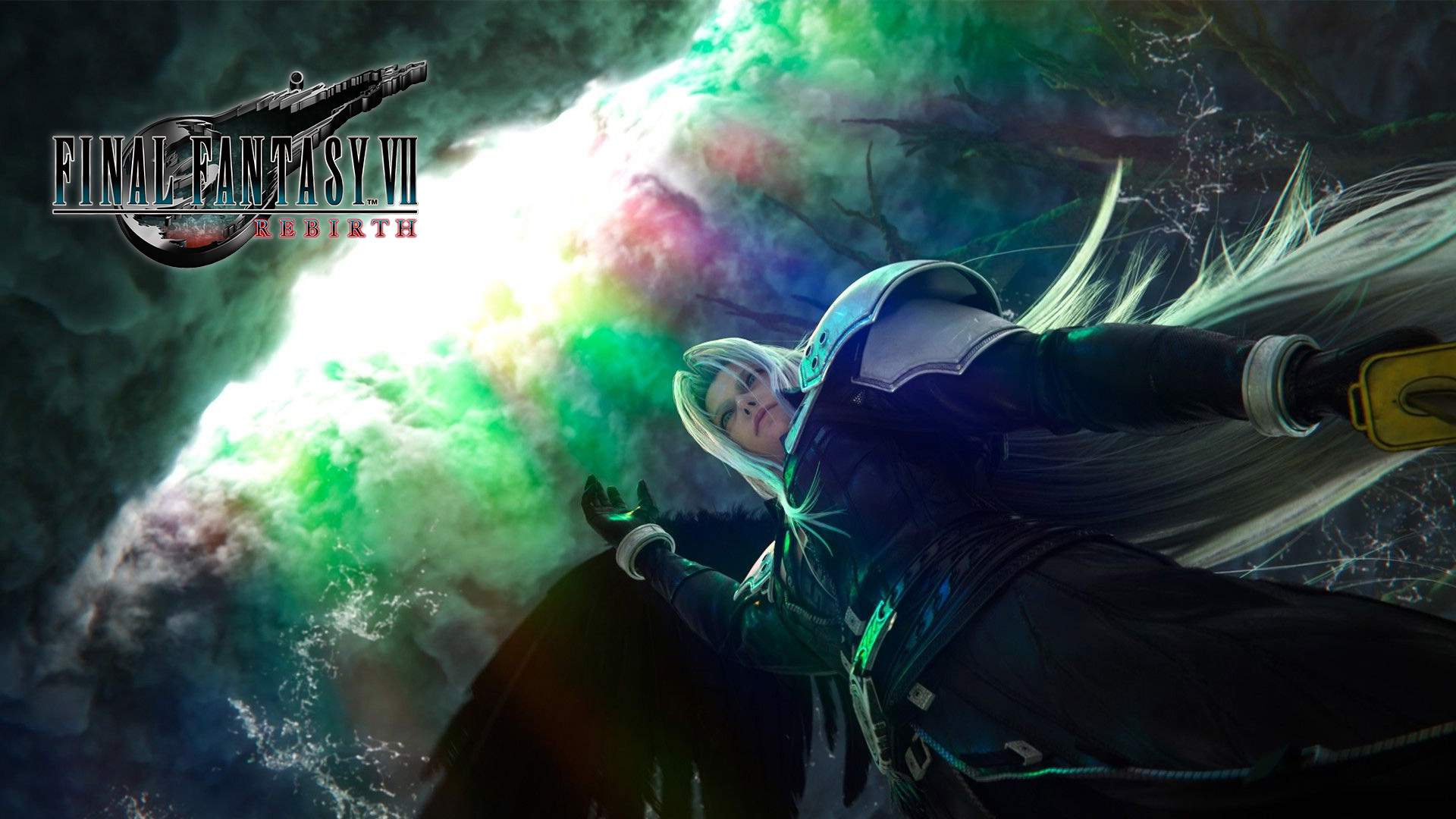
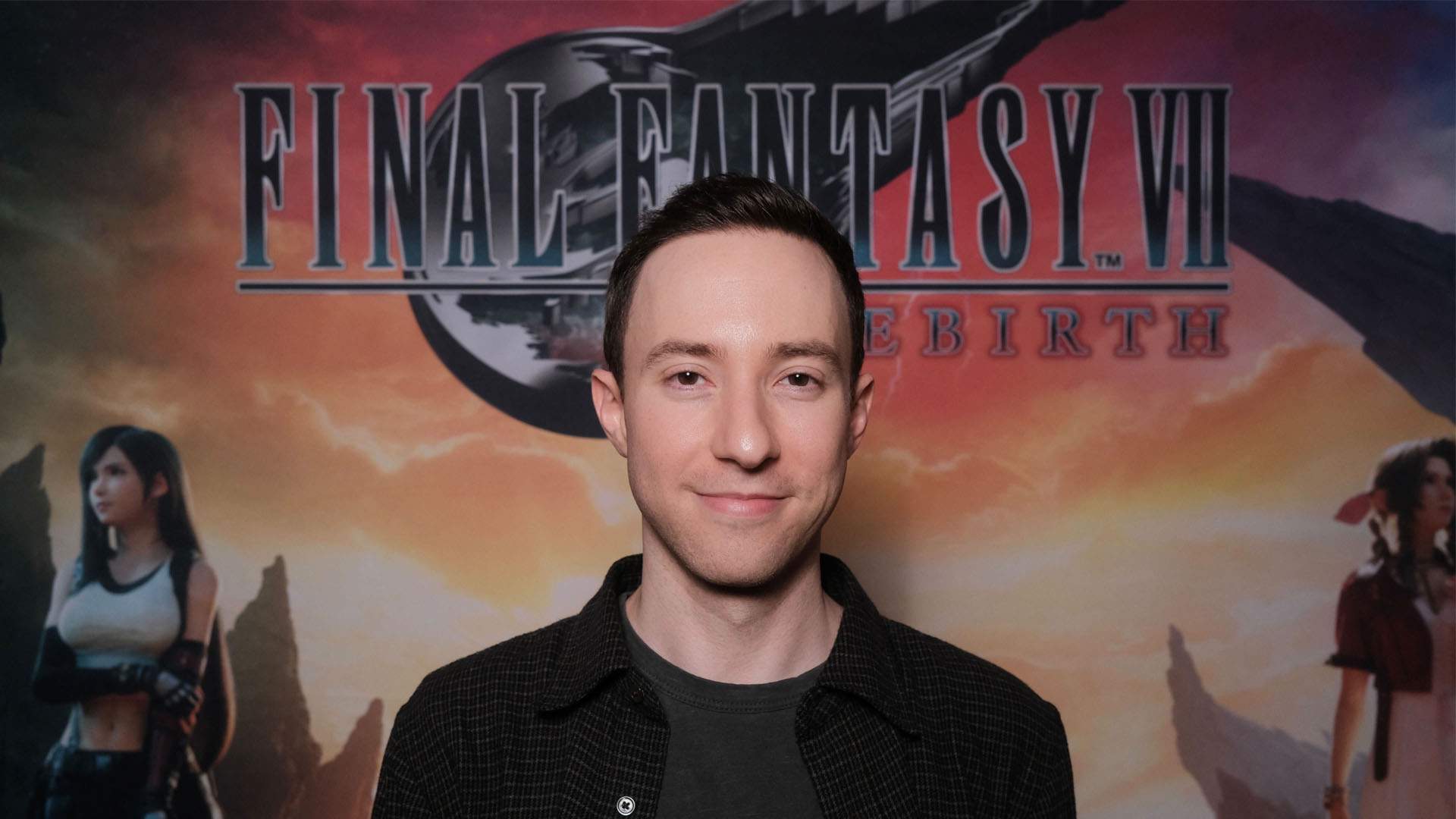
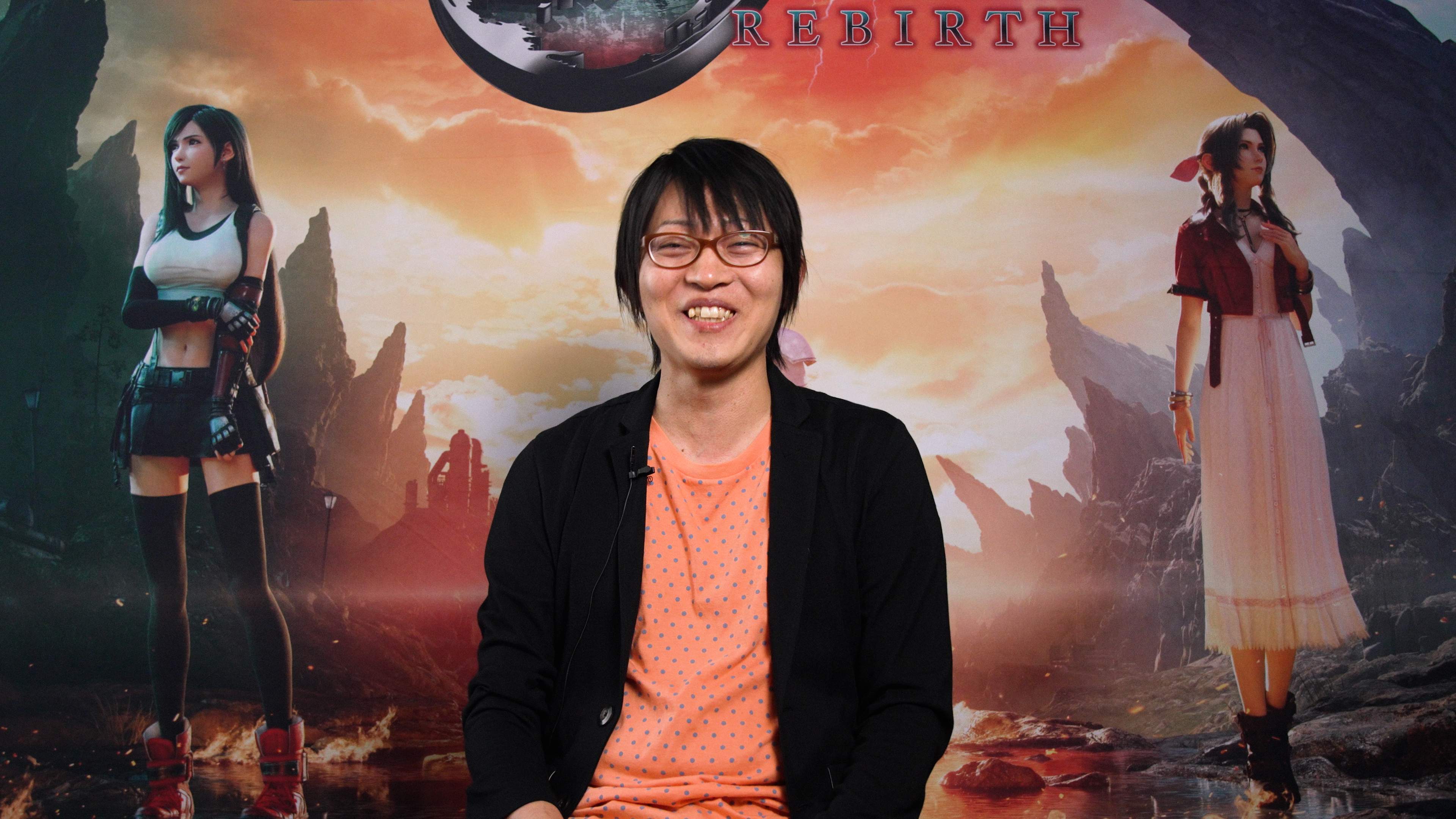
Director Naoki Hamaguchi explains what went into making Sephiroth playable, Cloud’s improved combat skills, and recreating one of the most iconic scenes in gaming.
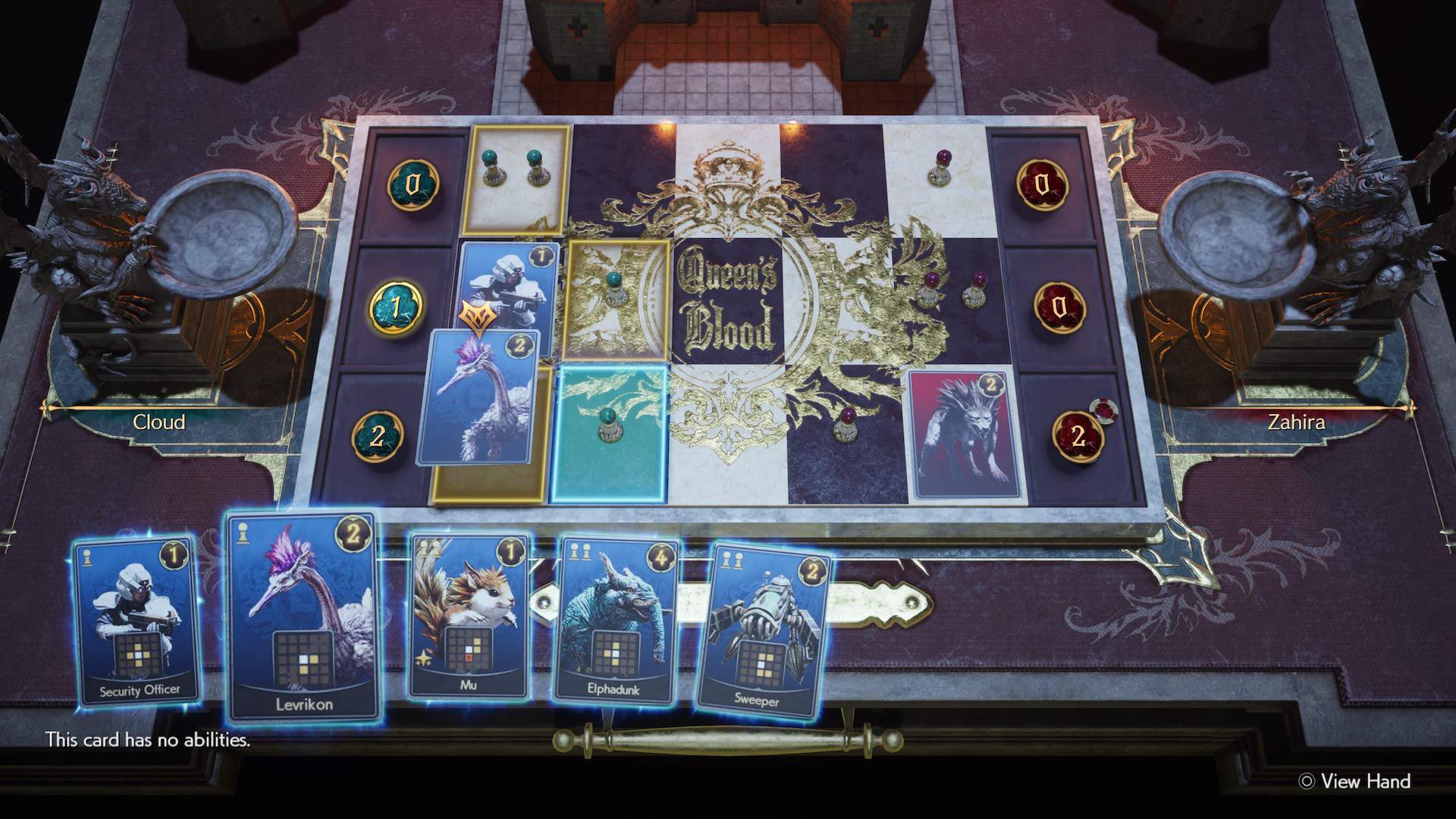
Want to dominate the board in FINAL FANTASY VII REBIRTH’s incredible card game? We offer up some tips and tricks and share our own personal strategies.
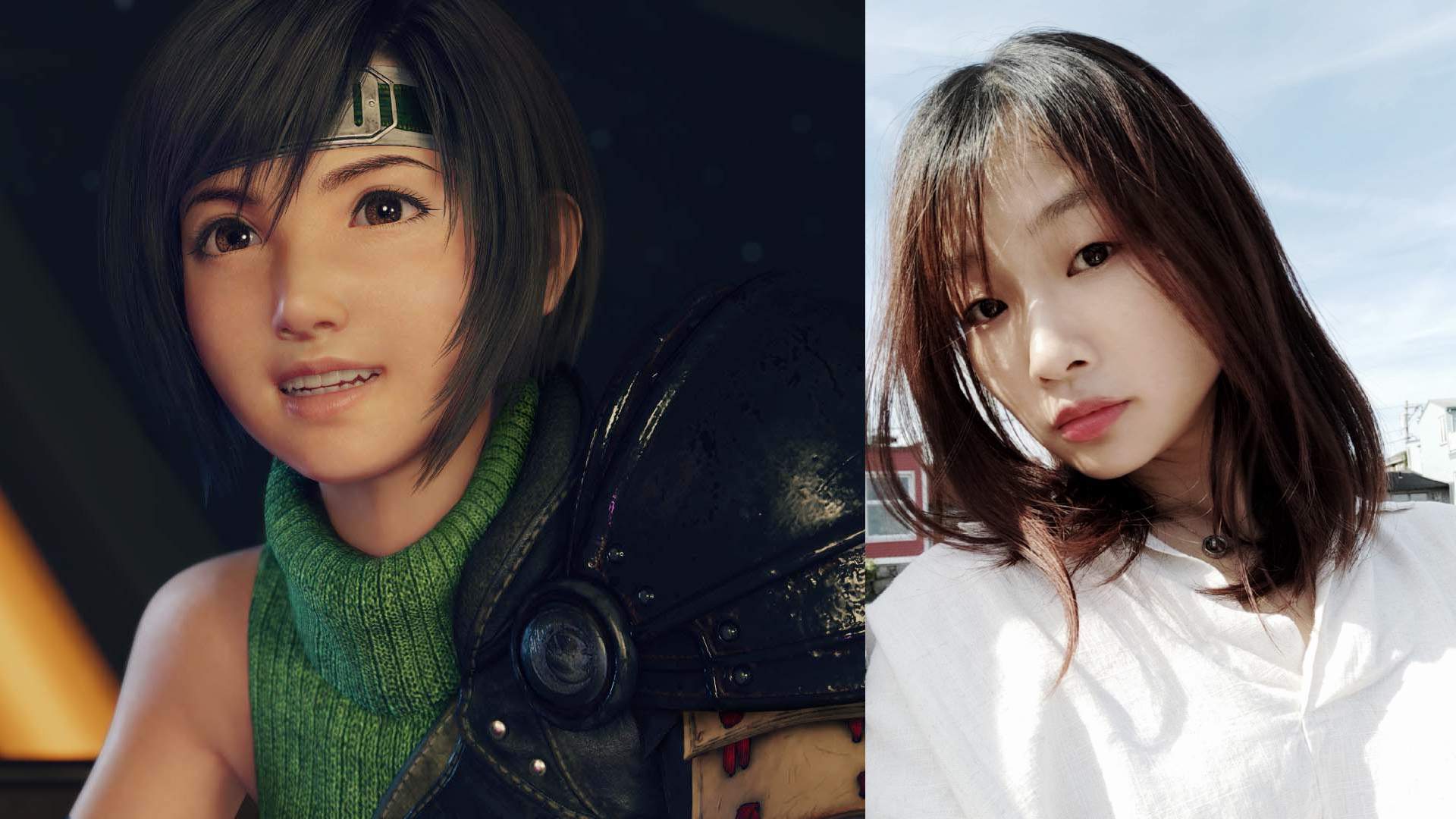
The actress who brings the materia-obsessed ninja to life talks explains finding new depth to the character, what Yuffie means to her and what’s new for FINAL FANTASY VII REBIRTH.
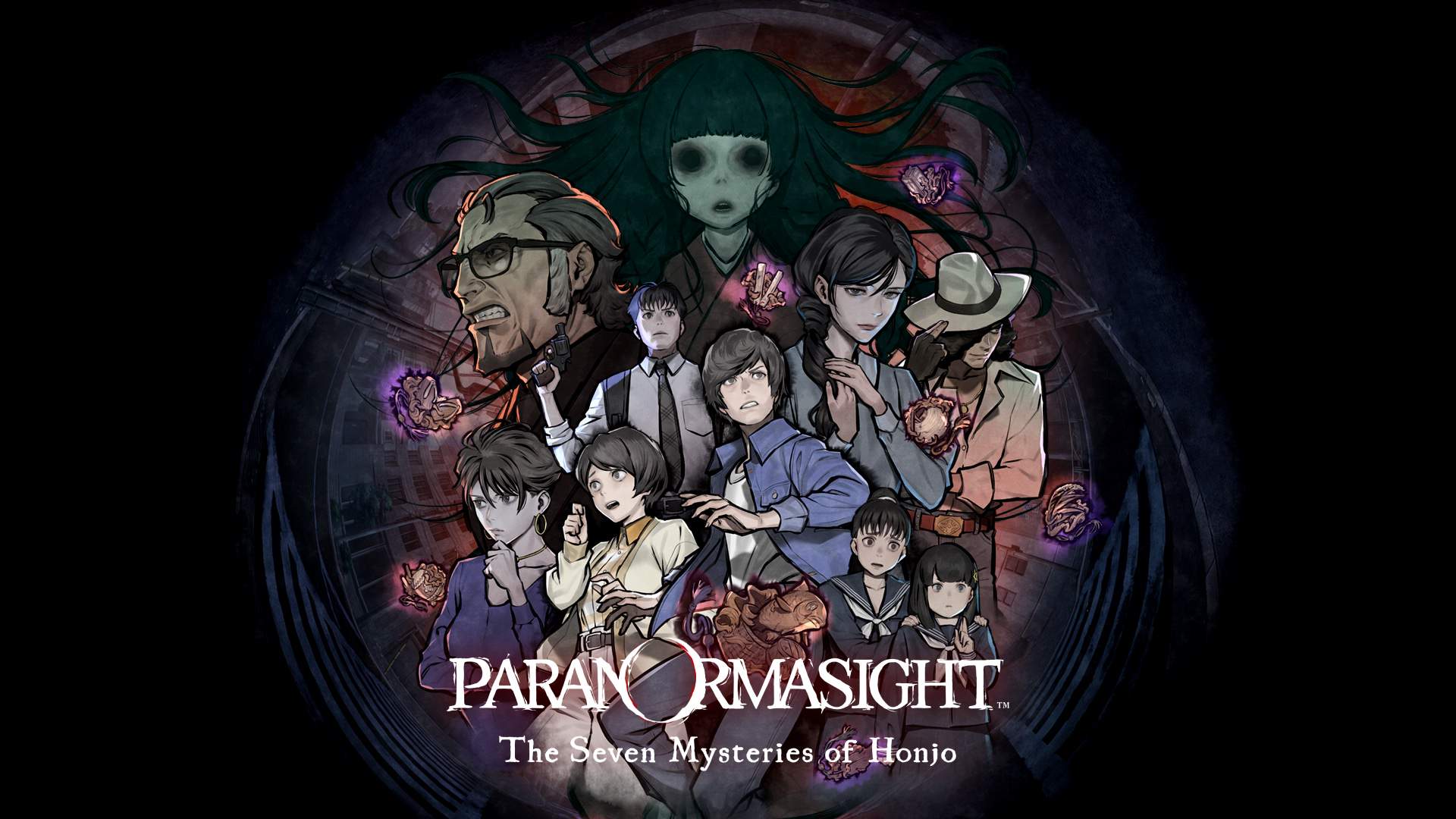
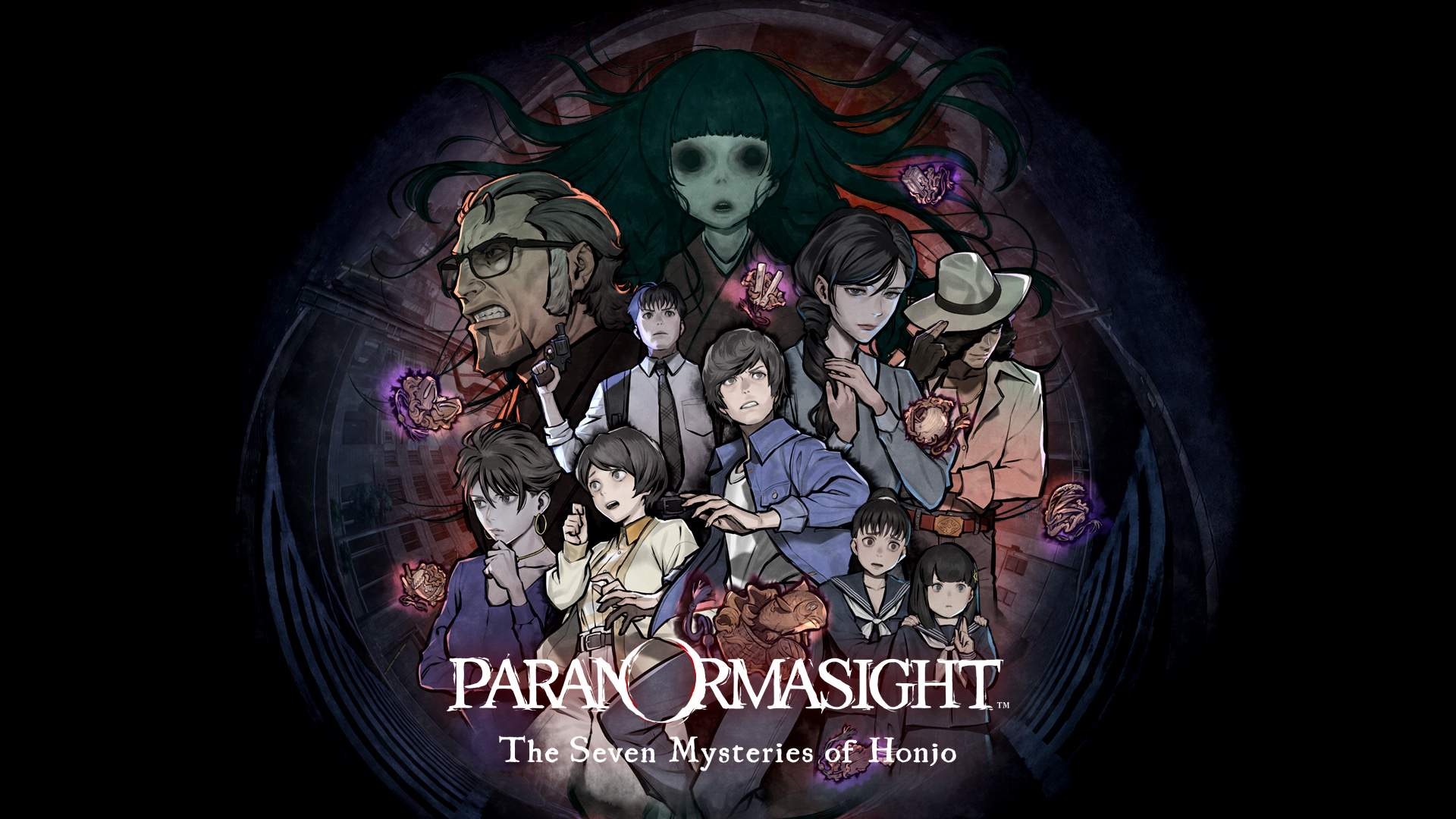
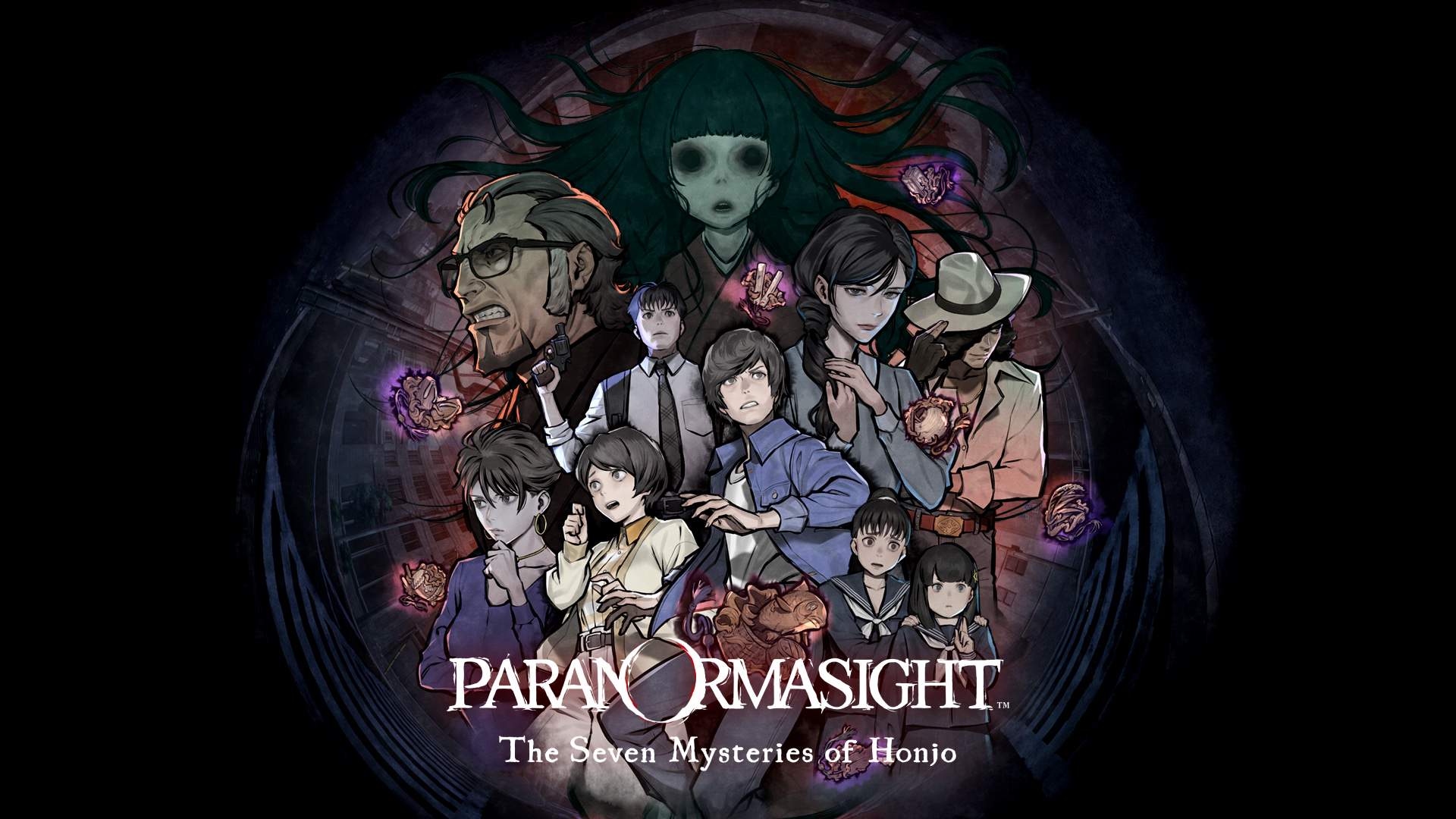
The developers of Paranormasight: The Seven Mysteries of Honjo recall the game’s amazing reception and answers some extremely spoilery questions about the game’s story.
What went into bringing the 1980s setting to life and how did the game’s clever fourth wall-breaking puzzles come about? Our deep dive into the game continues.
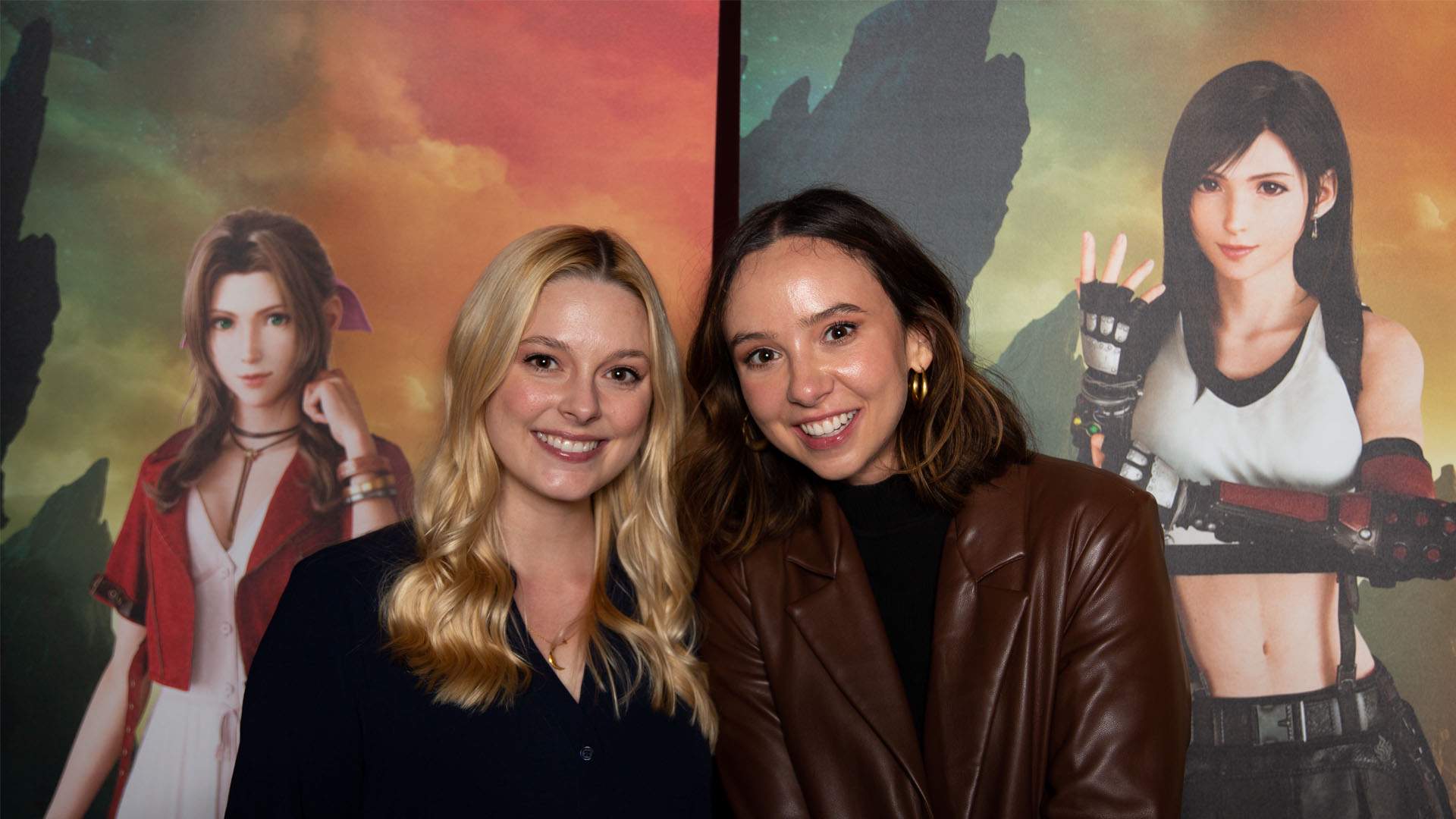
The actors who bring Tifa Lockhart and Aerith Gainsborough to life discuss Women’s History Month, their careers and the influential women who made them who they are today.
In this new series, we’ll be diving deep into the award-winning adventure with the developers of the game. In this part, we discuss the inspiration for the game and its incredible characters.
Producer Yoshinori Kitase and Director Naoki Hamaguchi on their philosophy for the game’s side content, the difficulty of making a planet and why copying the original game can sometimes feel weird.
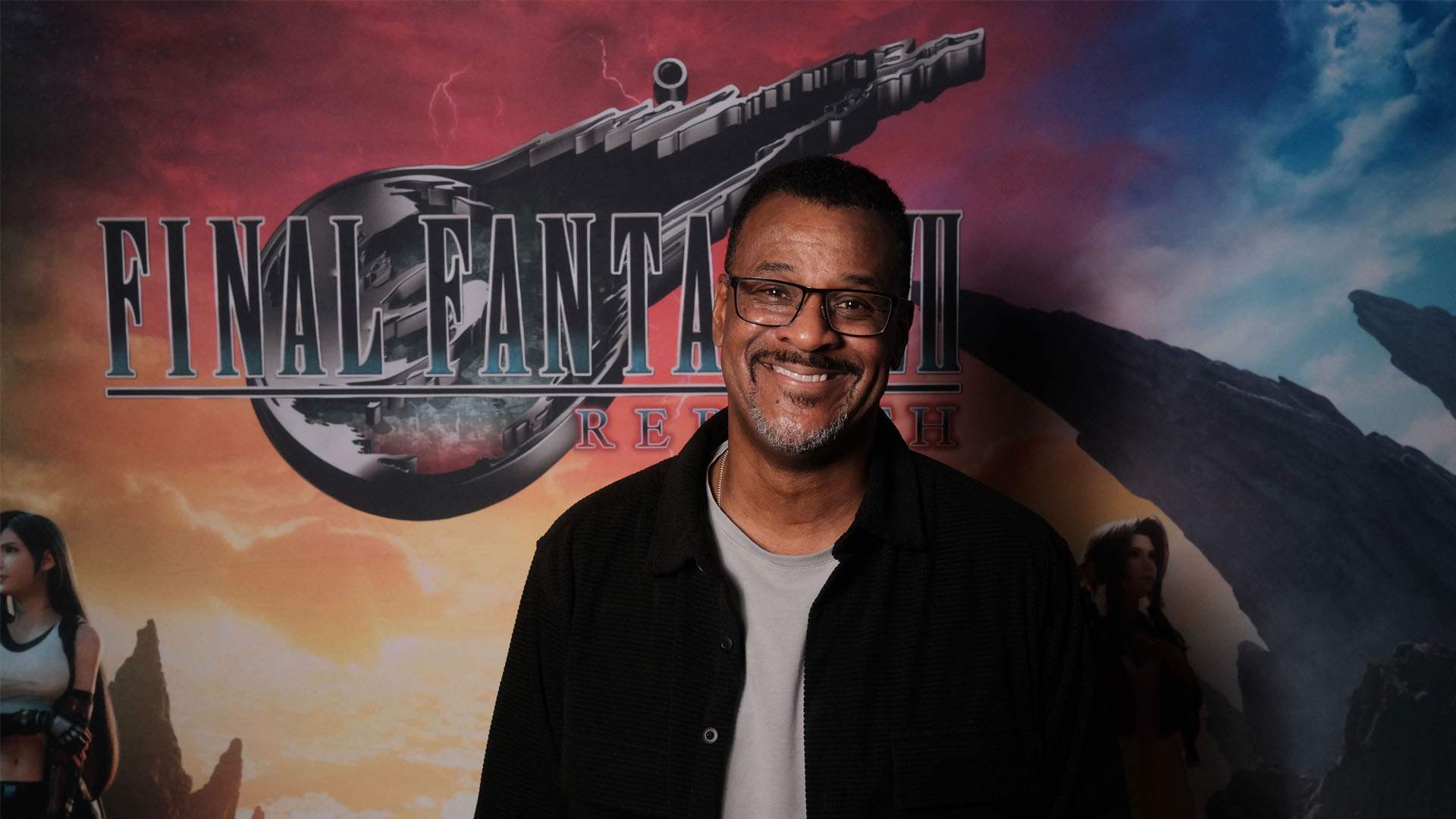
The actor behind Barret Wallace explains what Black History Month means to him, the people he admires and his own advice for working in the games industry.